
Monitoring Tunnel Construction: Unlocking the Potential of Instrumentation
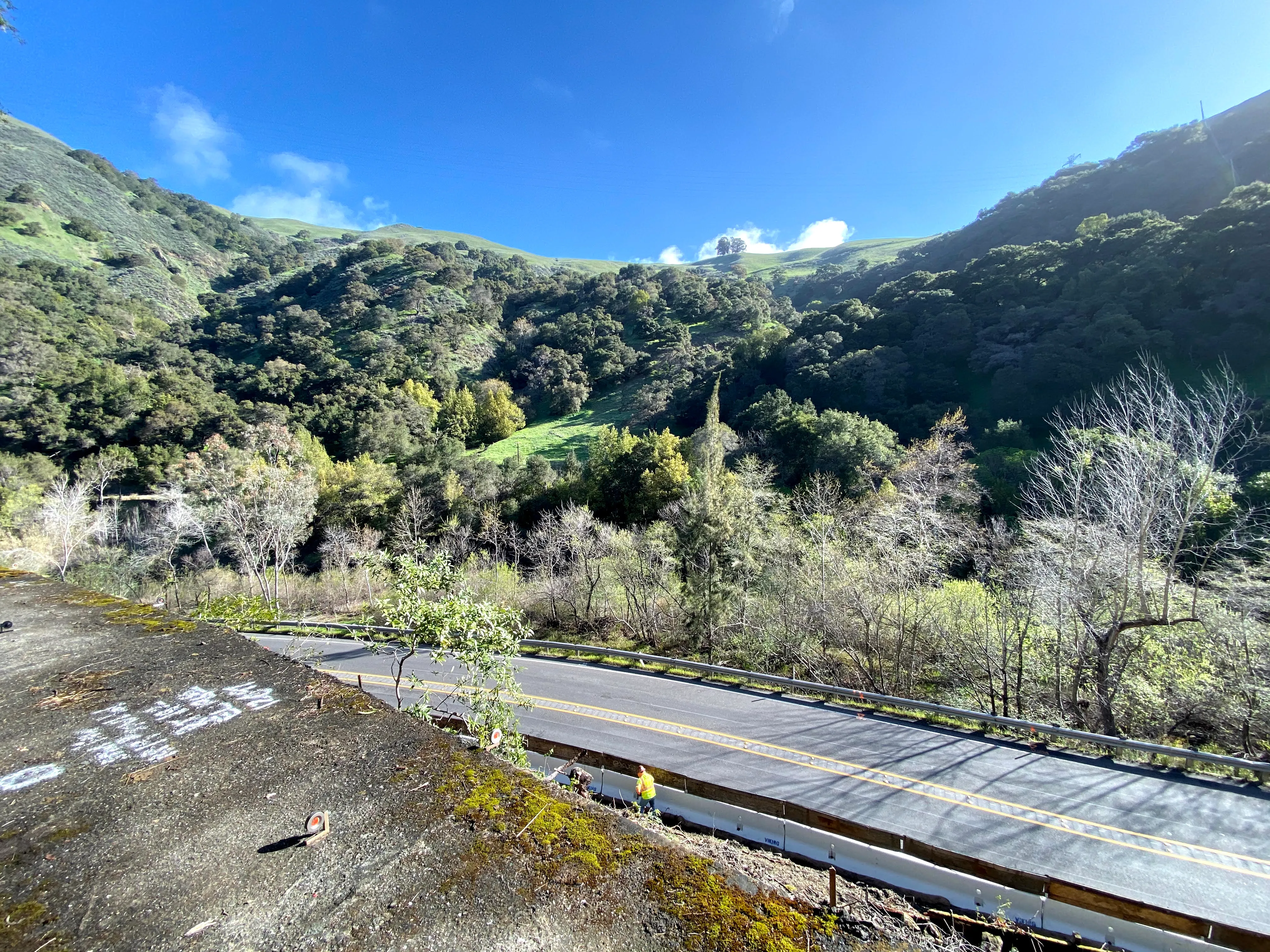
Instrumentation and monitoring (I&M) in tunnel construction have often been underappreciated within the broader construction process: the systematic deployment of advanced sensors, measurement tools, and data-management platforms to track deformation, stress, pressure, vibration, and other critical parameters as a tunnel is built.
With the advancement of measurement techniques, and especially data-communication and data-management tools, monitoring has grown to provide strong value that the tunnel industry is increasingly recognizing. Yet despite over 30 years of experience on complex tunnel projects with major engineering and construction firms, we can report that there is still untapped potential. Building trust in monitoring data remains a challenge.
The benefits are far-reaching. I&M serves as an essential feedback mechanism, enabling stakeholders to validate design models, assess structural behavior, and make informed decisions that enhance safety and performance. By detecting potential issues early, it minimizes costly delays, protects personnel and surrounding communities, improves stakeholder confidence, and informs maintenance and operations long after the structure is complete.
Tunnel Construction in North America: A Snapshot
Driven by aging infrastructure and environmental pressures, the construction of tunnels for metro systems, combined-sewer-overflow (CSO) projects, railways, and water conveyance and flood protection has been booming across North America.
Many of these projects rely on TBMs and involve large-diameter tunnels, sometimes exceeding 30 ft, mined in populated areas, where ground disturbance is a large but manageable risk. I&M plays a critical role in understanding the impact of support-of-excavation (SOE) and ground subsidence within the zone of influence. Many projects have integrated monitoring effectively, yet too often it still seems like an afterthought, or worse, an expense to be minimized.
The State of Monitoring: Tools and Techniques
Modern monitoring solutions include robotic total stations; conventional structural and geotechnical instruments for pressure, strain, and deformation (piezometers, inclinometers, strain gauges, extensometers); terrestrial laser scanning; vibration sensors; wireless sensor networks; and even fiber-optic sensing, a less common application in tunnel monitoring. In our experience, a well-defined monitoring scope typically accounts for around 1–2% of the overall project budget.
"The lowest cost of an instrument should never dominate the selection."
— John Dunnicliff, author of the "Red Book"
The importance of a qualified instrumentation provider cannot be overstated. Using an experienced monitoring provider is more critical than which instrument type or brand is selected. The following are some of the challenges a typical monitoring scope faces on a tunnel project, along with select solutions.
Monitoring Is a Team Effort
Large, publicly funded projects place monitoring design and oversight under owners, regulators, and the owner's engineers. While some contractors view monitoring as a compliance requirement, many have embraced it as a key component of risk management. Instrumentation must be integrated in tandem with the construction sequence, requiring specialists who understand construction stages and structural components.
Let's Be More Specific
Instrumentation specifications prepared by consultants are often treated as the project "bible" but are frequently based on outdated references, failing to account for project-specific needs and modern technology. Once a project is awarded, approving newer technology can be uncertain and time-consuming, forcing providers to deploy older, less reliable instruments just to meet schedule.
Evaluating the Data: On What Basis?
Baseline monitoring is critical to understanding structural behavior. Short baseline periods produce incomplete data and unreliable trend analysis, particularly on long-duration projects.
Manual vs. Automated Readings
Manual readings are common but introduce delays and human error. Automated systems deliver higher accuracy, greater data volume, and near-real-time availability.
Redundancy Is the Key
Data redundancy builds reliability and confidence by allowing cross-verification. Complementary instruments help confirm or refute anomalies and improve decision-making.
Data Management
Modern data platforms enable real-time visualization, sharing, and analysis, but are often underutilized.
A Call to Action
Based on our long experience, we recommend that I&M be recognized as a critical component of risk management and project execution. By embracing advanced monitoring technologies, fostering collaboration, and prioritizing data quality, the tunnel industry can enhance safety, efficiency, and innovation.
Many projects have already demonstrated success through robust monitoring systems. Building on these best practices will unlock the full potential of instrumentation and monitoring, to safeguard projects, investments, and communities.